Got moss? Organic solutions are available
Summary points:
Rake your moss up. It’s not rooted into your lawn, so a stiff rake will do the trick.
Improve the environment for grass to thrive. Put down pelletized lime. Improve drainage, airflow and lighting.
Put down grass seed where the moss was. Nature doesn’t like empty spaces, so if you rake up the moss, you should put down grass seed immediately. (But it needs to be in either spring or fall for the seed to germinate.)
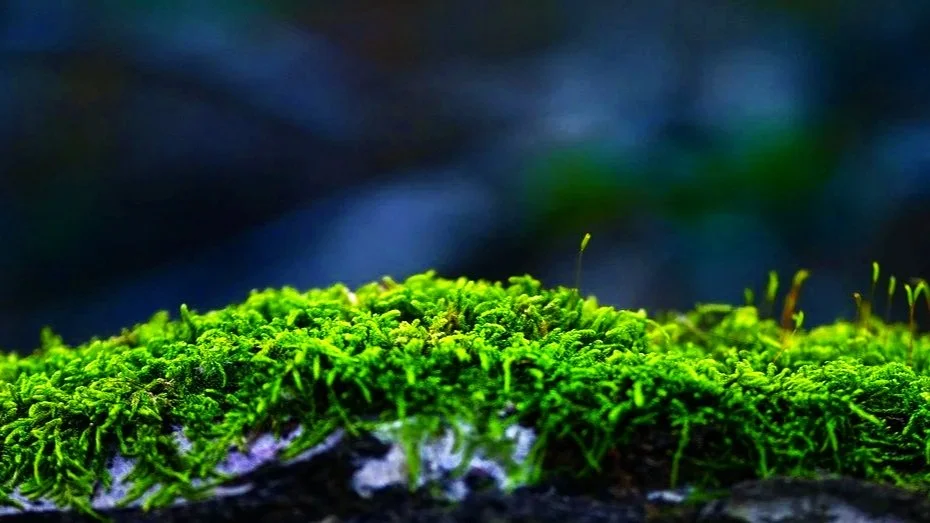
Moss doesn't invade your lawn. It fills a vacancy. Where grass struggles, moss thrives — and that's actually useful information. It's telling you something about your soil. Fix the underlying problem, and the moss takes care of itself.
The first thing you should do however is remove existing moss: It’s very easy to rake up. You should do this in the spring or fall, and immediately do one or more of the following:
Fix Your Soil pH
Moss loves acidic soil. Most turf grasses don't. A simple soil test will tell you where your pH stands — and if it's low, ground limestone is your best friend. Work it into the soil and you'll shift conditions in favor of grass and against moss. It's slow, but it lasts.
Improve Drainage, Airflow and Sunlight
Moss needs moisture and shade to survive. If water pools in certain spots or your soil is compacted, moss will find those areas first. Core aeration opens up the soil, improves drainage and lets oxygen reach grass roots. But don't stop there. Look up. Overly shaded areas are prime moss territory, and sometimes the honest solution is removing a tree or two to let sunlight back in. It's a big decision, but it can completely transform a problem area into thriving turf.
Apply Compost
Thin, nutrient-depleted soil is an open invitation for moss. A top dressing of quality compost rebuilds the organic matter that grass needs to grow thick and competitive. Thick turf is the single best long-term defense against moss — or any weed, for that matter. Dense grass simply leaves no room for anything else to move in.
Finally, overseed.
Again, this should be done in the spring or fall, as that’s the time of year grass seed will germinate in the West Michigan climate. The bottom line: moss is a symptom, not the disease. Chase the symptom and you'll be fighting moss forever. Fix the soil, and grass will do the rest.