2026:
The Year of the Pollinator
Pollinators are at risk. Your lawn can help.
-
Pollinators in Michigan
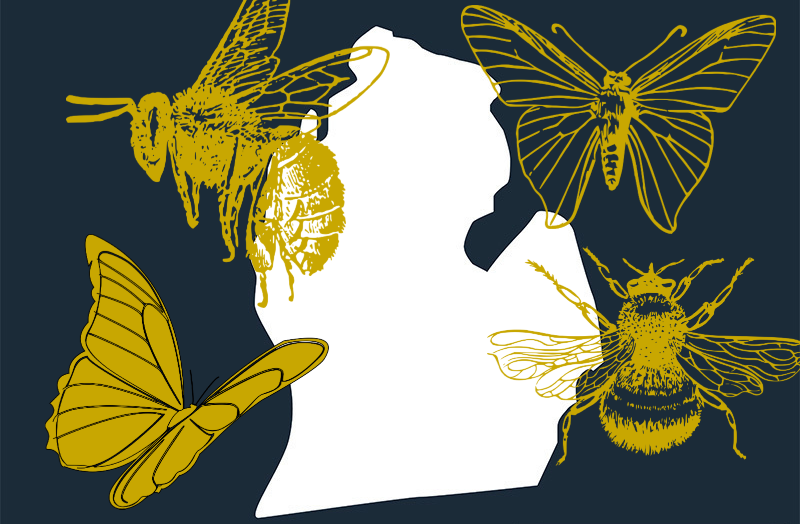
Across the state of Michigan, bees, butterflies and other pollinating creatures keep our ecosystems thriving. They pollinate nearly 80% of flowering plants and crops, supporting our local farms, gardens and wild spaces. Their daily work helps grow the foods we eat and the natural beauty that makes our state stand out. They are essential to Michigan’s environment and way of life.
-
Pollinators and our food supply
Pollinators play a major role in Michigan’s agriculture. They help fruit trees, vegetables and field crops produce higher yields and better quality. From apples and blueberries to pumpkins and alfalfa, pollinators boost farm productivity, they strengthen local economies and they help feed the world.
-
Pollinators and our yards
Our yards play a huge role in supporting pollinator populations. By planting native flowers, clover and other pollinator-friendly plants, we create safe spaces for bees, butterflies and other vital species to feed and nest. By eliminating synthetic chemicals, we keep pollinator populations strong and healthy. Each yard that goes chemical-free becomes part of a larger ecosystem that helps Michigan’s pollinator populations thrive.
Meet the pollinators.
-
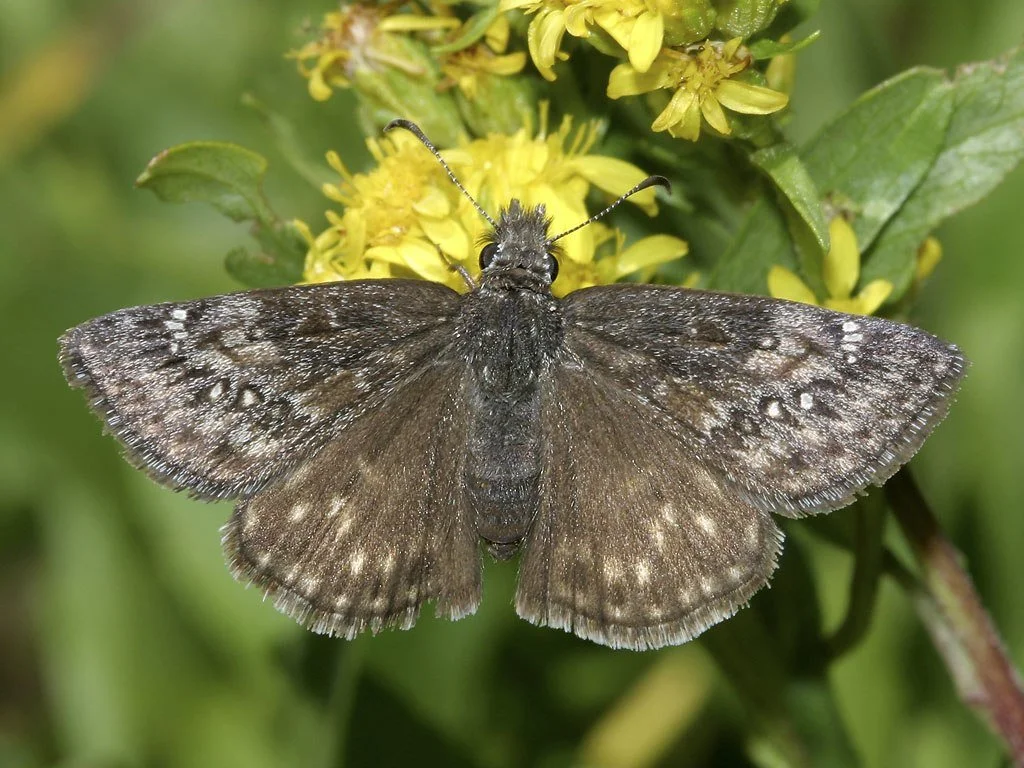
Threatened: Persius duskywing
The Persius duskywing (Erynnis persius) is a dark brown skipper butterfly native to North America. Its caterpillars feed on lupines and other legumes, living primarily in prairies. The eastern subspecies is rare and is legally protected in Michigan due to its habitat loss and its close ties to wild lupine populations.
-
Endangered: Rusty patched bumblebee
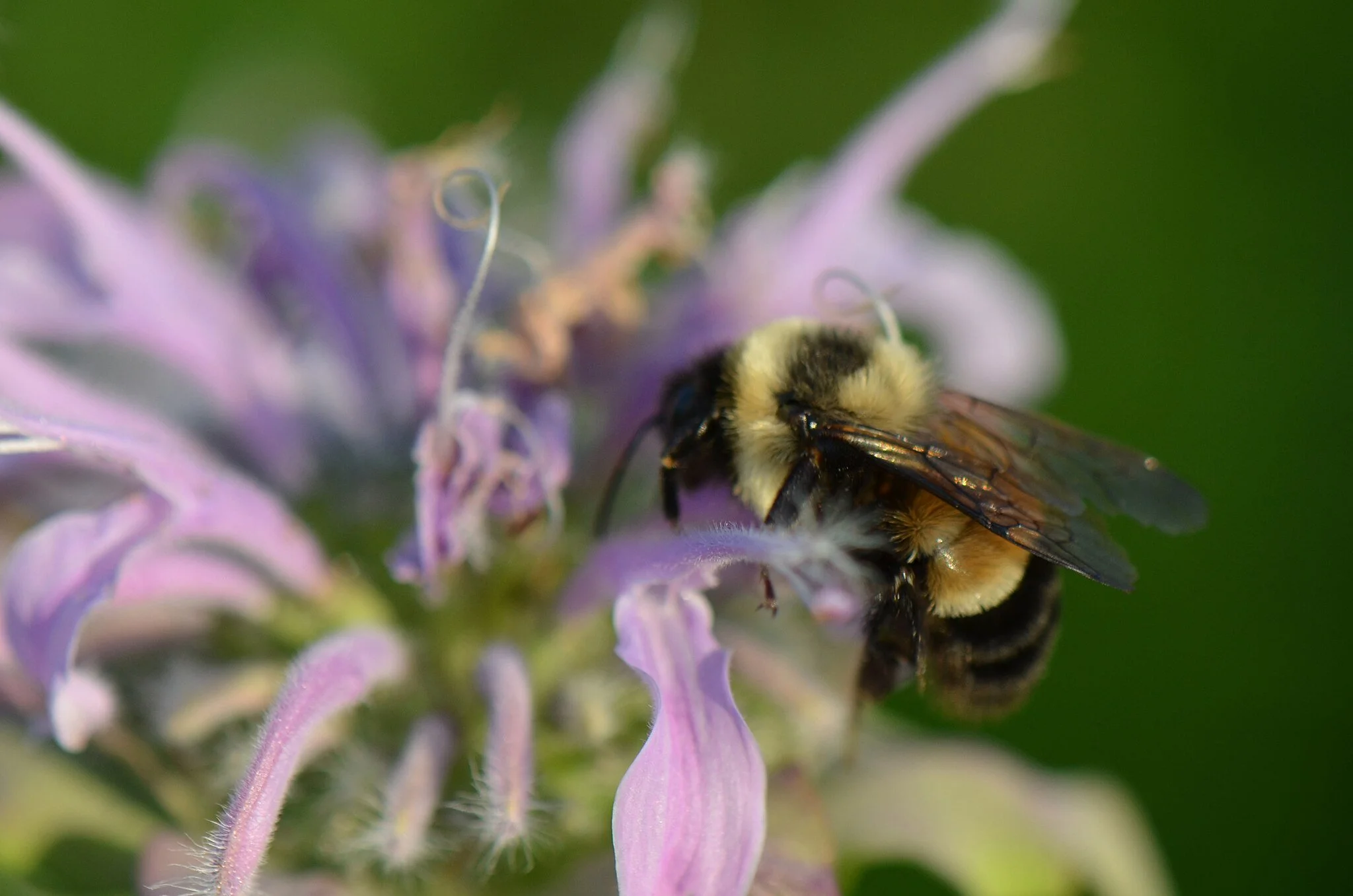
The rusty patched bumblebee (Bombus affinis) is a bee native to North America, that gets its name from the small rust-colored patch on its back. It’s an important pollinator for wildflowers and crops but has declined drastically due to habitat loss and pesticide use. It’s now listed as endangered and protected in Michigan.
-
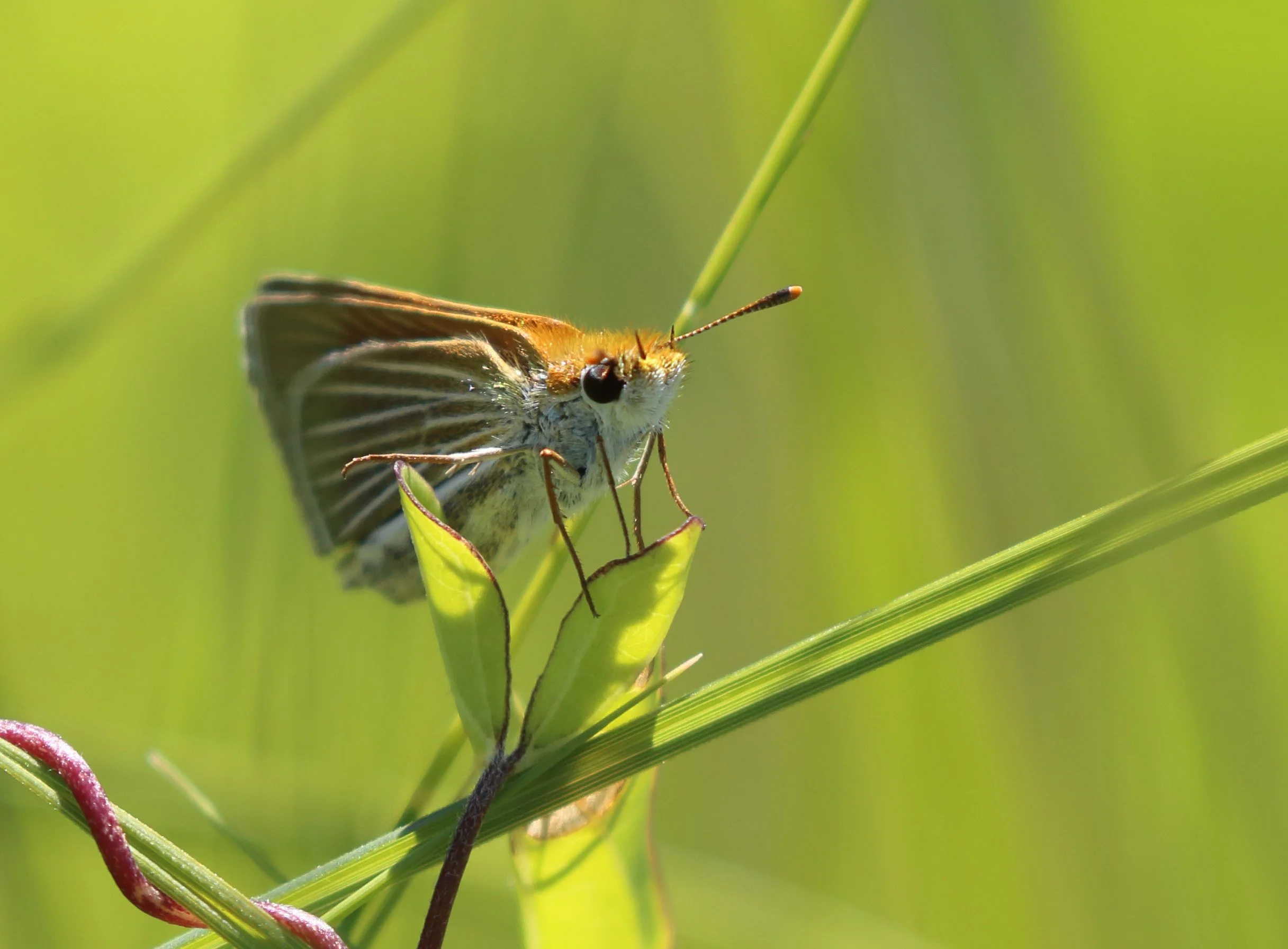
Endangered: Poweshiek skipperling
The Poweshiek skipperling (Oarisma poweshiek) is a small orange-and-brown butterfly once quite common across Midwestern prairies. It needs native grasses like prairie dropseed and sedges to survive. Habitat loss and changes to prairie ecosystems have made it one of North America’s rarest butterflies, with only a few small populations remaining in Michigan.
Take action now.
-
Give: Protect MI Pollinators
The goal is simple: 100 people giving $8 a month for one year. The Protect MI Pollinator campaign is helping bring back healthy spaces for bees, butterflies and other pollinators in West Michigan. Your support provides native wildflower seeds, organic lawn education and other resources for chemical-free yards, creating safe places for pollinators to thrive.
-

Learn: Clover is not a Weed
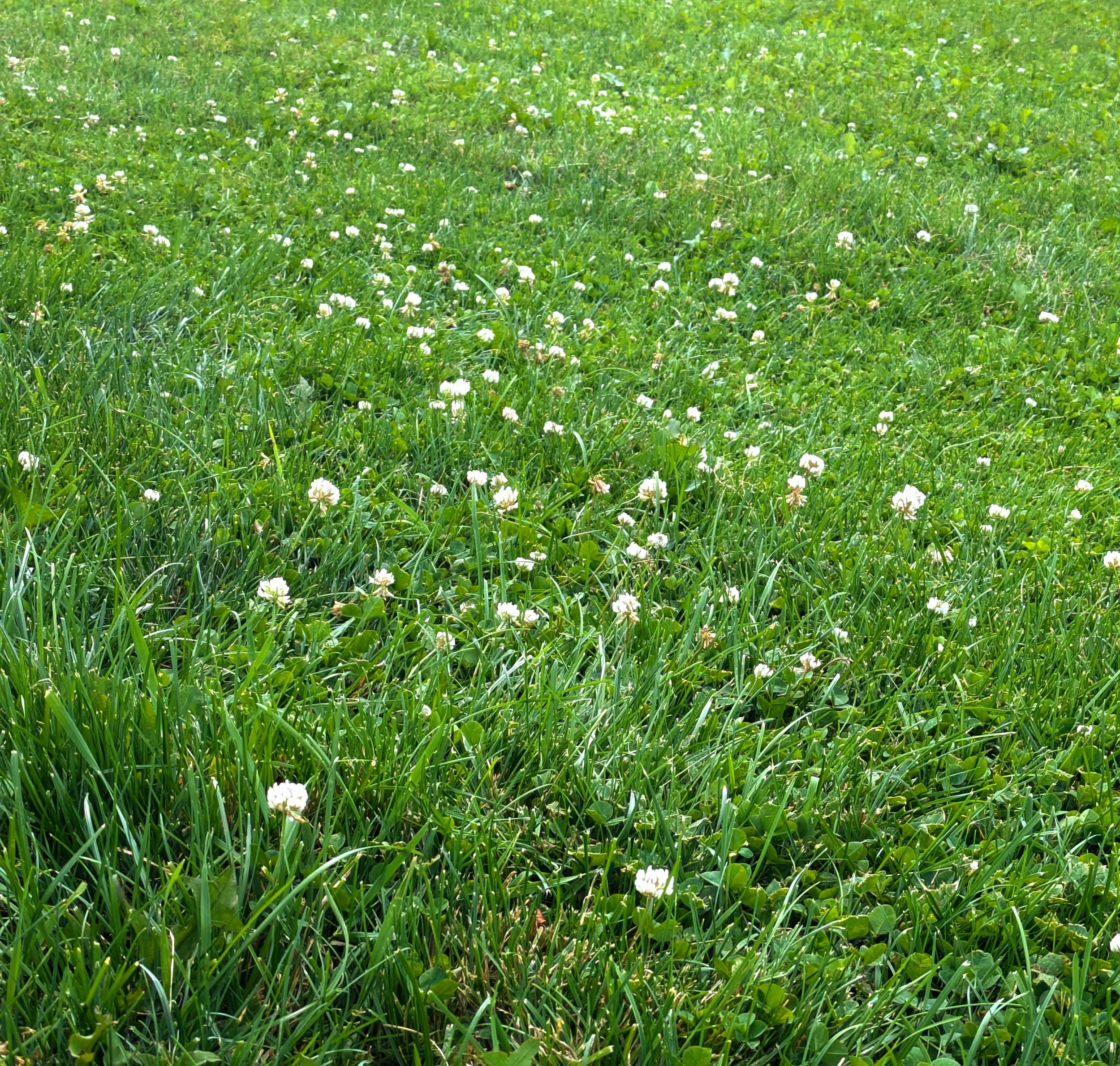
Clover plays a vital role in supporting pollinators by providing consistent nectar for bees and other beneficial insects, especially when few plants are blooming. Healthier pollinator populations strengthen local ecosystems and food systems. Clover also fixes nitrogen, improves soil health, reduces fertilizer use, conserves water and creates resilient, low-input lawns that benefit people and wildlife alike.
-
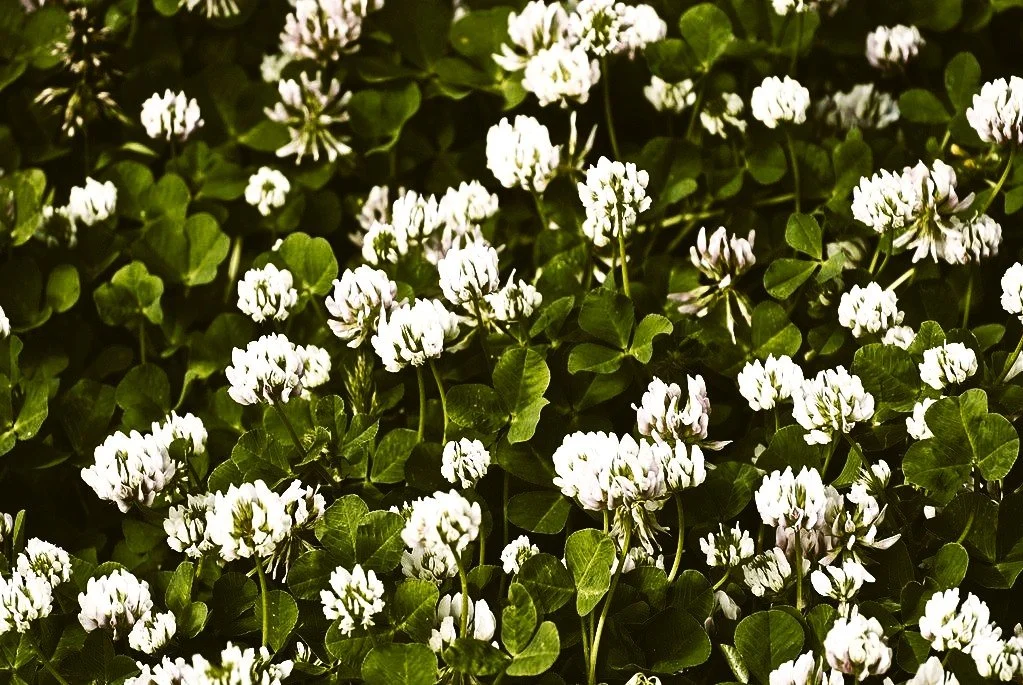
Plant: Pollinator-friendly groundcover & flowers
Good Sweet Earth’s seeds make it easy to create a healthy, pollinator friendly yard. Clover feeds bees and enriches soil by fixing nitrogen, while native wildflowers attract bees and butterflies. Plant seed to support pollinator havens and thriving ecosystems across West Michigan.
Additional Resources
-
Wild Ones is hosting a free webinar on July 22 with author and activist Lorraine Johnson on navigating HOA rules, neighbor concerns and community conversations around native plant gardening. Drawing on three decades of advocacy, Lorraine offers practical guidance for anyone facing pushback on their ecological landscape.
The event is online on Wednesday, July 22 at at 7 PM Eastern. Register here to receive the watch link.
-
The mission of the Michigan Pollinator Initiative is to develop a coordinated research, education, extension, and policy driven effort to address priority issues related to pollinators and pollination in Michigan. Michigan State University works with partners around the state in pursuit of research-based solutions for beekeepers, growers, land managers, and policy makers to promote economic vitality and ecological stability. Click to learn more.
-
Videos, workbooks, crafts and more from the Xerces Society for Invertebrate Conservation. Click here for more.
-
Monarch Watch’s milkweed page explains the crucial role that milkweeds have as the sole host for monarch larvae, with info on growth, pollination and planting. Click to learn more.
-
Monarch Watch’s migration page describes how North American monarchs travel thousands of miles each fall to overwinter in Mexico or California, then return north in spring over generations, detailing routes, sites and life cycle stages. Click to learn more.
-
Bumble Bee Watch is a North American citizen science project where people upload and identify bumble bee photos, helping experts track populations, learn about species, support conservation and locate rare bees. Click to learn more.
-
The Grand Rapids Area Bee Club (GRBee.club) is a free community beekeeping group that offers monthly meetings, education on honey bee care, resources for bee removal, a nuc exchange, tips for new beekeepers, and monthly meetings.
-
The Holland Area Beekeepers Association (HollandBees.org) supports and educates local beekeepers in Holland, Michigan with monthly meetings, bee schools, mentoring, resources, workshops and community events to promote honey bee health and beekeeping success.